

I grew up in a village in west Clare where people knew the sound of your car before they saw the colour of it. If you bought a new coat, someone would mention it at Mass. If you missed Mass, someone would mention that too. My mother used to say it was a kind place, and it was, mostly, but kindness can still feel like a window with no curtains.
I met Niamh when I was twenty-seven and pretending to be settled. She was home from Dublin for her aunt’s funeral, standing outside the church in a navy coat, holding a paper cup of tea that had gone cold. We had known each other as children in the loose way village children know each other, from school concerts and summer projects, but she had left at eighteen and become, in local language, “a great woman altogether.” She worked near Trinity College, rented a room in Stoneybatter, and spoke with a softness that made me want to be honest.
We talked first about safe things. The weather. Her aunt. My father’s bad hip. Then she said, “Do you ever feel like you’re acting a part here?” I laughed too quickly, because the answer had been living in my chest for years.
Our relationship began with messages and grew into train journeys. I would tell my mother I had a meeting in Ennis, then drive to Limerick and get the train up to Heuston. Niamh would meet me under the station clock, and for a day we could belong to nobody’s expectations. We walked the canal, sat in Phoenix Park with takeaway coffees, and once spent three hours in Grogan’s pretending we were the kind of people who could hold hands in public without calculating who might know someone from home.
Back in the village, we were nothing. Less than nothing. She was “that girl who moved away,” and I was the man who fixed fences, played corner-back for the junior team, and was forever being introduced to someone’s cousin who had “a lovely temperament.” The secrecy was not exciting after the first few months. It became work. We deleted messages. We agreed not to like each other’s photos. If her name came up in the shop, I trained my face into mild interest, as if she were a weather report from a different county.
The cruelest part was that nobody had actually threatened us. There was no villain, no dramatic family feud. There was only the old fear of being discussed, of becoming a story told over counters and garden walls. Niamh had been brave enough to make a life in Dublin. I had stayed, partly from duty and partly from cowardice, and I mistook silence for peace.
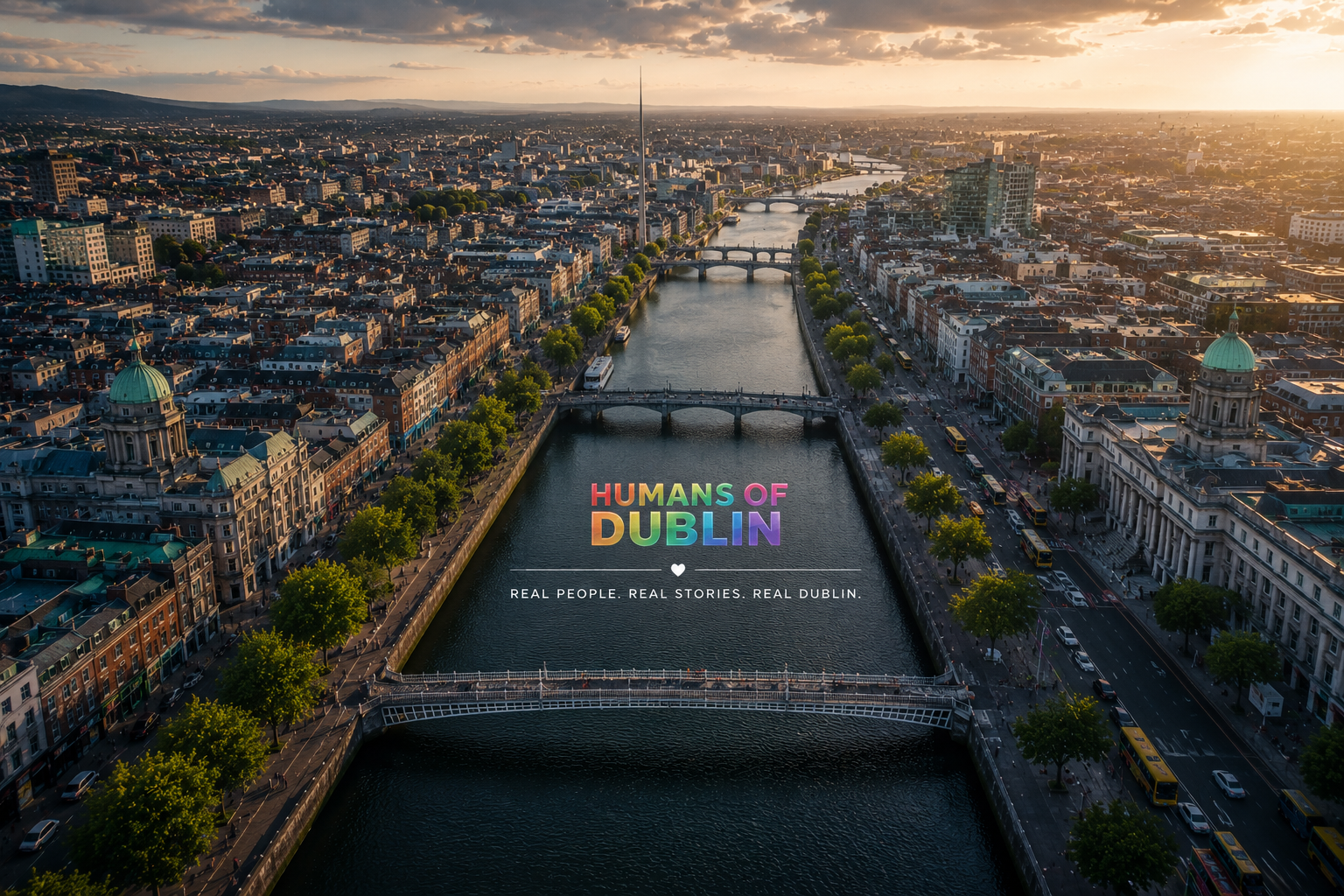
After nearly two years, the secret broke in the smallest possible way. My youngest sister, Aoife, saw us together on O’Connell Street. We were crossing near the Spire, laughing because Niamh had just spilled curry sauce on her sleeve, and I had my hand on the small of her back. Aoife was on a hen weekend and standing outside a bus with a sash around her neck. Our eyes met. Her smile fell, not with judgment, but with the hurt of being excluded.
She rang me the next morning. I sat in my parked van by the pier and listened to her breathing before she spoke. “Is she good to you?” she asked. That was all. I said yes, and my voice broke on the word. Aoife cried then, not because I loved Niamh, but because I had thought I couldn’t tell her.
The village did find out. Of course
Note: Please be aware that these are written in confidentiality and there is not reference or mention of any real people and their sentiments here. Every incident and Story tends to be emotional so please read at your own emotional risk. Website is not responsible for anything related. HumansofDublin.io is not related to the photography project HumansofDublin by Peter Varga